


Fuelling the Future: The Ligier Automotive JS2 RH2
24 December 2025 Bosch Motorsport
How do you keep the essence of motorsport, whilst trying to create a cleaner, carbon neutral future?
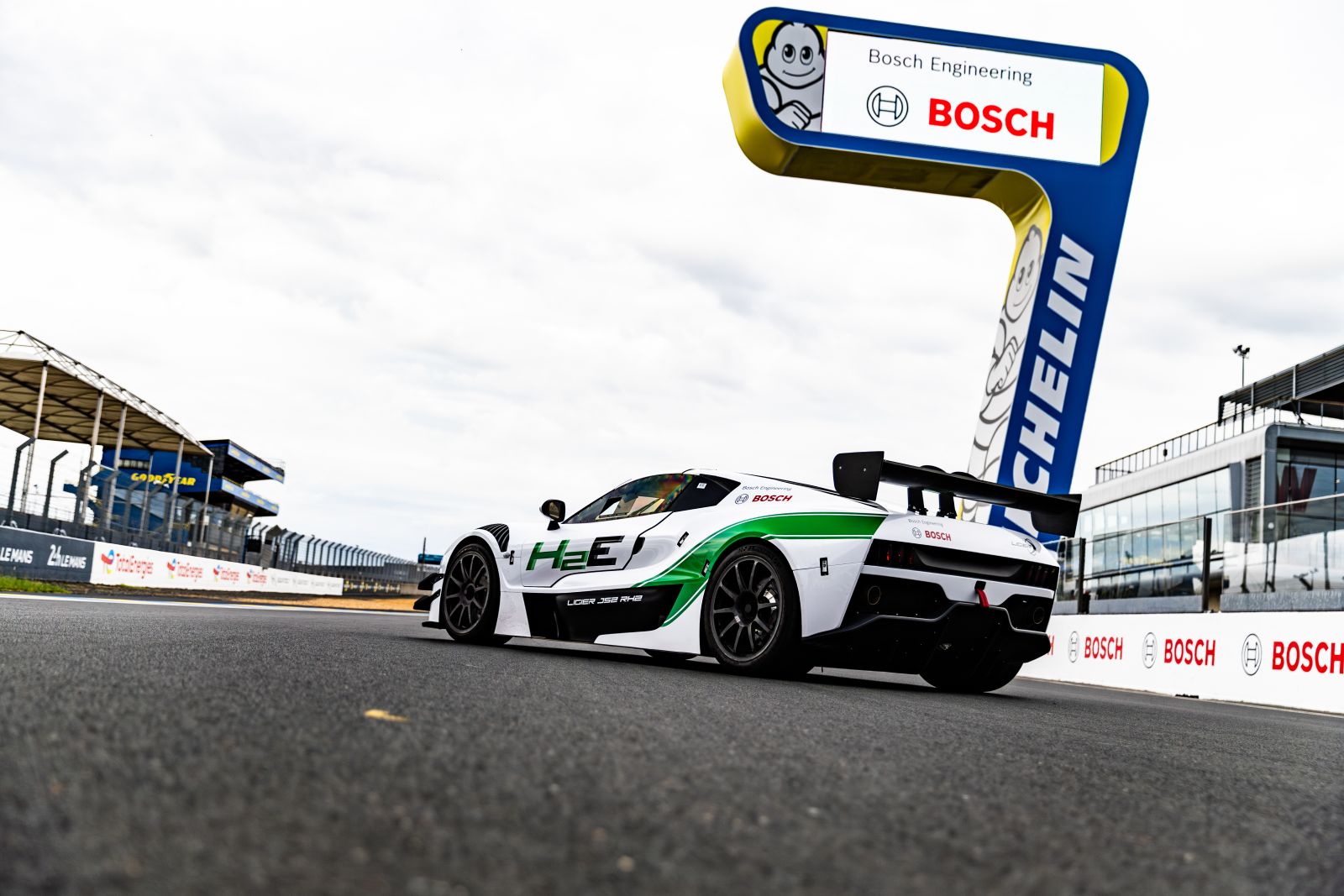
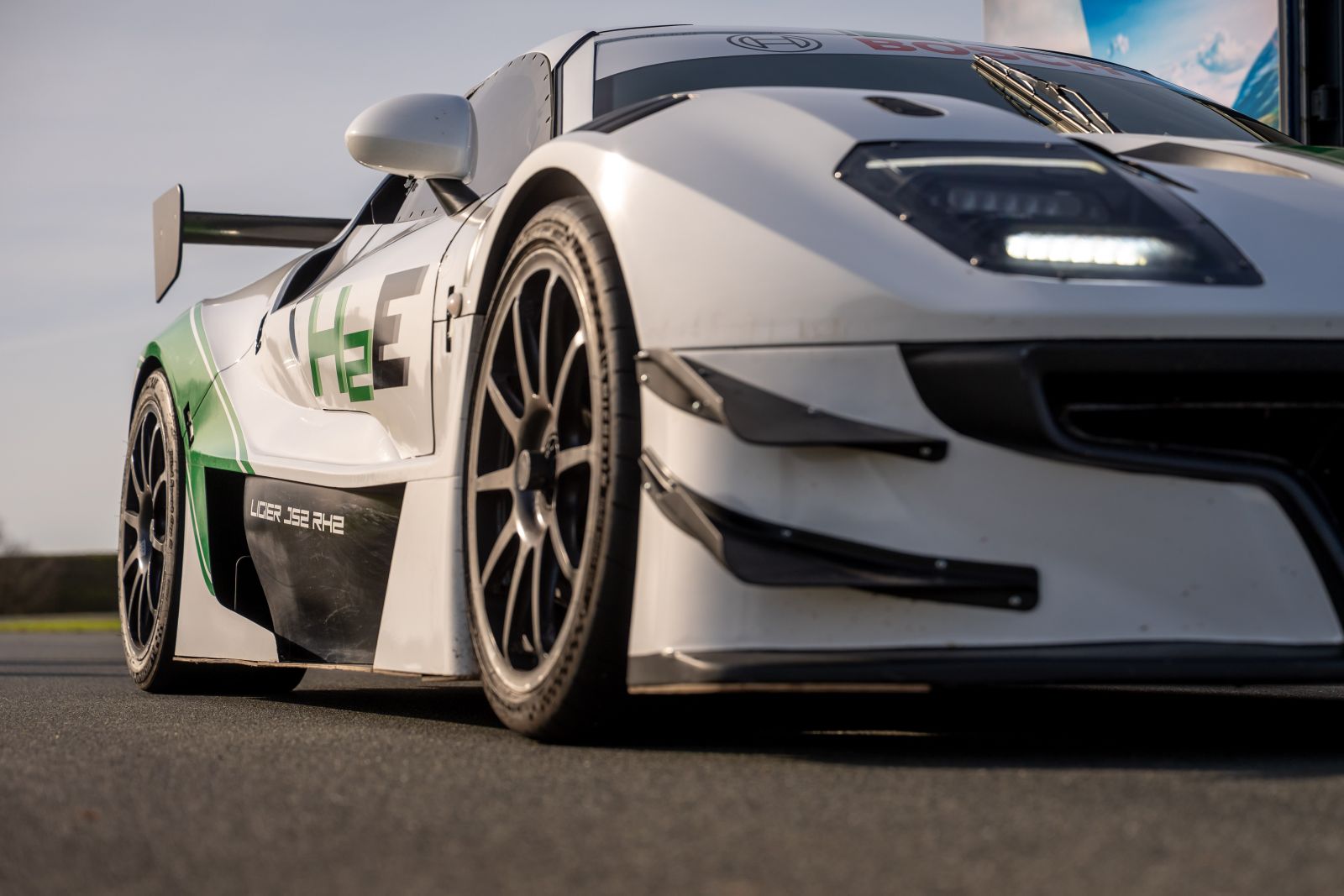
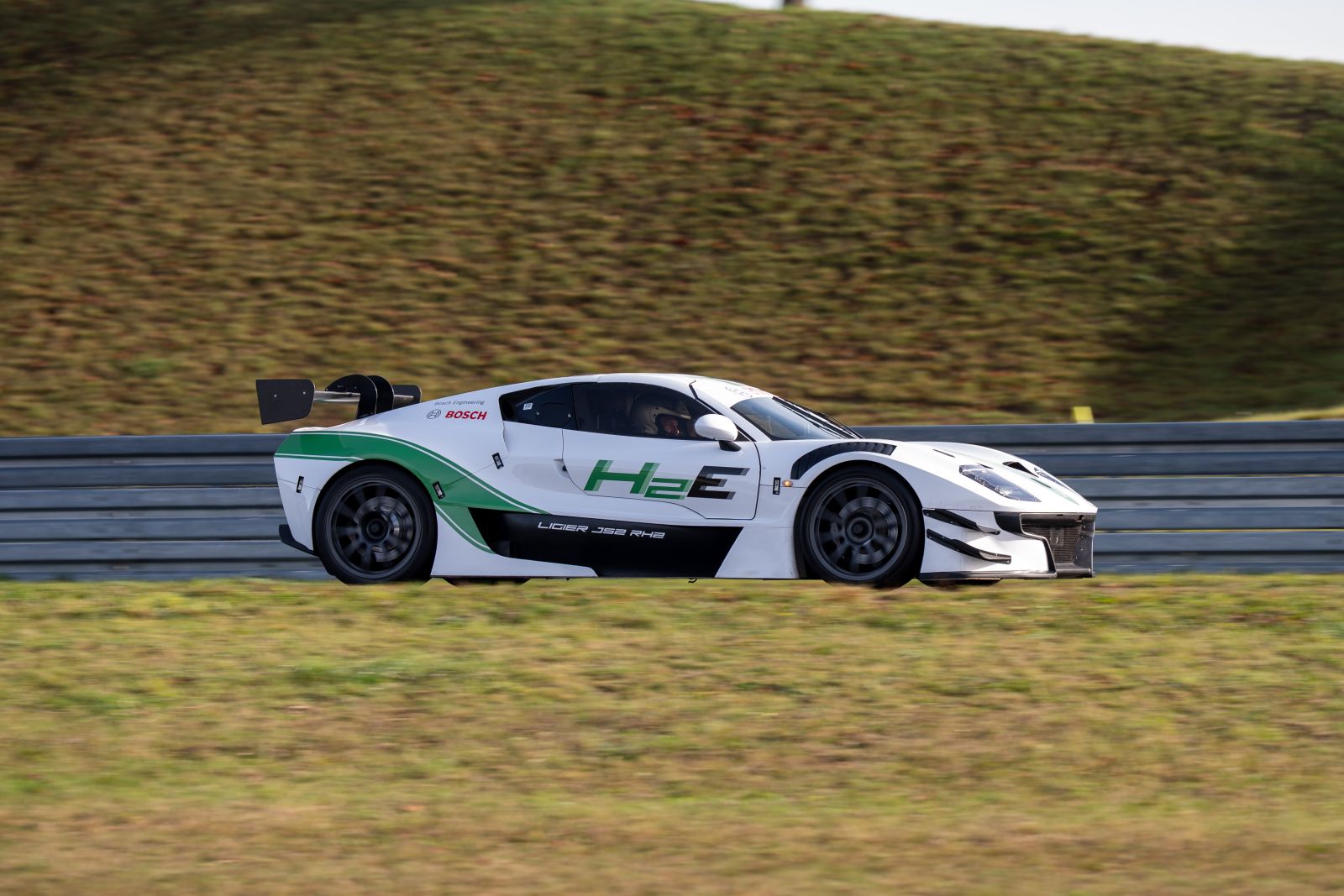
This is the question that is driving the development of Bosch Engineering and Ligier Automotive’s collaboration, the Ligier Automotive JS2 RH2.
Since it’s unveiling at Le Mans in 2023, the RH2 has accumulated over 7,000km of testing, as engineers continue to tinker and optimise the package to find solutions that will help shape the future of motorsport.
.jpg)
On the outside, the JS2 RH2 takes its bodywork from Ligier Automotive’s popular JS2 R one-make racer, but underneath lies a carbon monocoque, adapted from the brands successful LMP3 car, replacing the standard tubular chassis. The switch to the monocoque was necessitated by the packaging requirements of the RH2s three carbon fibre high-pressure tanks, which are placed on both sides of the car and behind the passenger cell.
The JS2 RH2’s tanks are designed for a system pressure of 700 bar and carry 2.1kgs of H2 content each. However, this has not had a significant impact on the cars overall weight, which clocks in at 1450kg.
Safety is paramount, with Bosch Engineering implementing a multi-stage safety concept that utilises a combination of active and passive measures. An intricate piping system connects the three tanks with the vehicles injectors, with the system and tanks being monitored by the Hydrogen Storage Control Unit, specifically developed by Bosch for hydrogen applications. This system communicates with the rest of the vehicle's electronics through the vehicle's CAN bus.
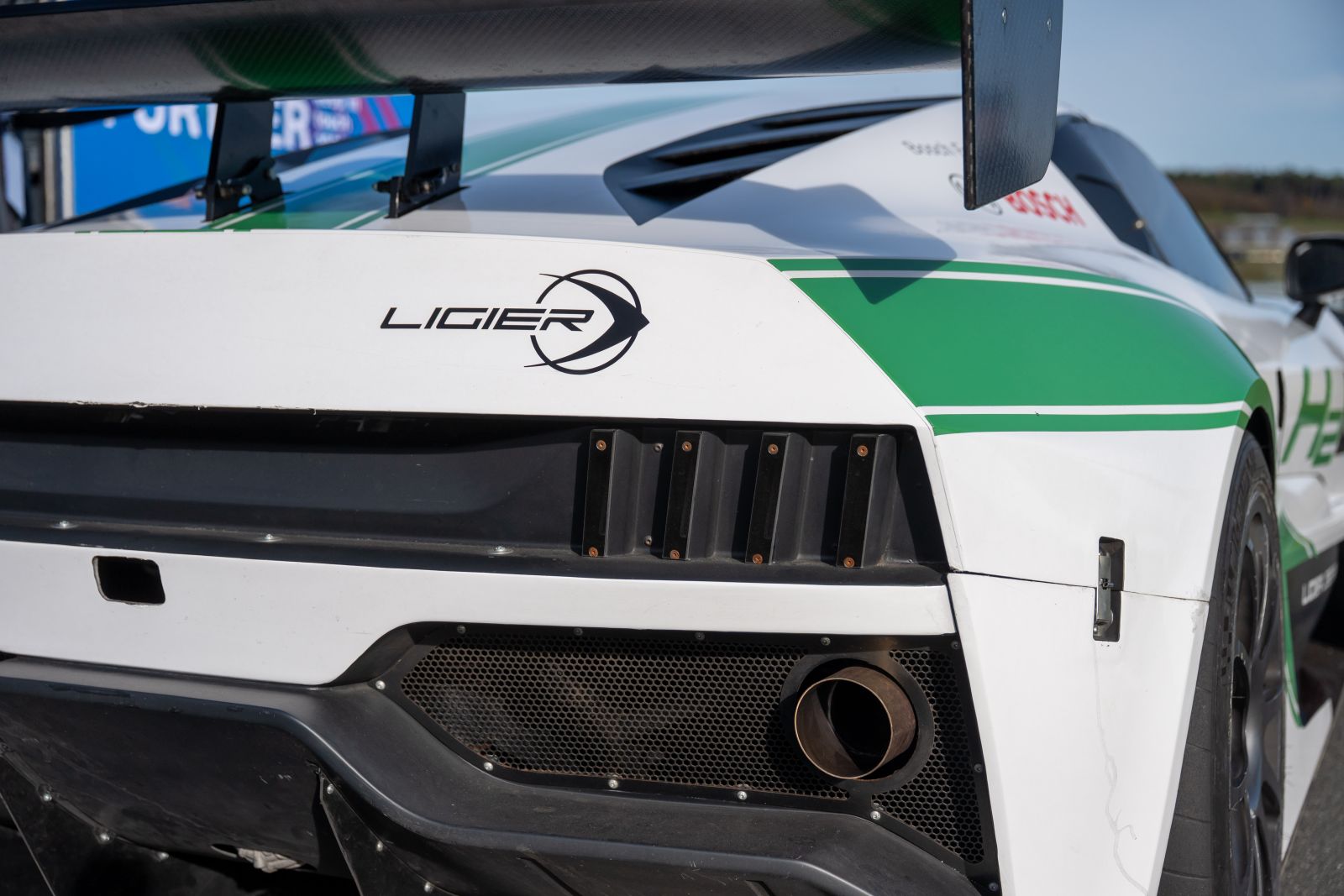
As hydrogen is extremely flammable, great care has been taken with the packaging of the system. The tanks, gas control components and the engine compartment are separated, whilst a complex passive ventilation system ensures that gases are vented outside the car, away from the passenger compartment and the hot engine bay. Any potential leaks from the system will be caught by the wide array of safety sensors fitted to the car, and if these sensors detect something is amiss, the multi-stage active safety concept will kick into action, ranging from a warning on the drivers display all the way to a total system shutdown.
Powering the JS2 RH2 is a 3.0-litre biturbo V6 that produces 443kW and 650Nm of torque, with Bosch Engineering working its magic on the ignition and injection system to realise the lean, low nitrogen oxide combustion concept of the engine, whilst also keeping it as responsive as a regular racing engine. Attached to the V6 is an eight-speed DSG gearbox, whilst the stopping power is provided by the usual 6-piston callipers found on Ligier Automotive’s LMP3, with Bosch Motorsport ABS providing the driver with extra stopping power in the braking zone.
Images courtesy of Bosch Engineering.